



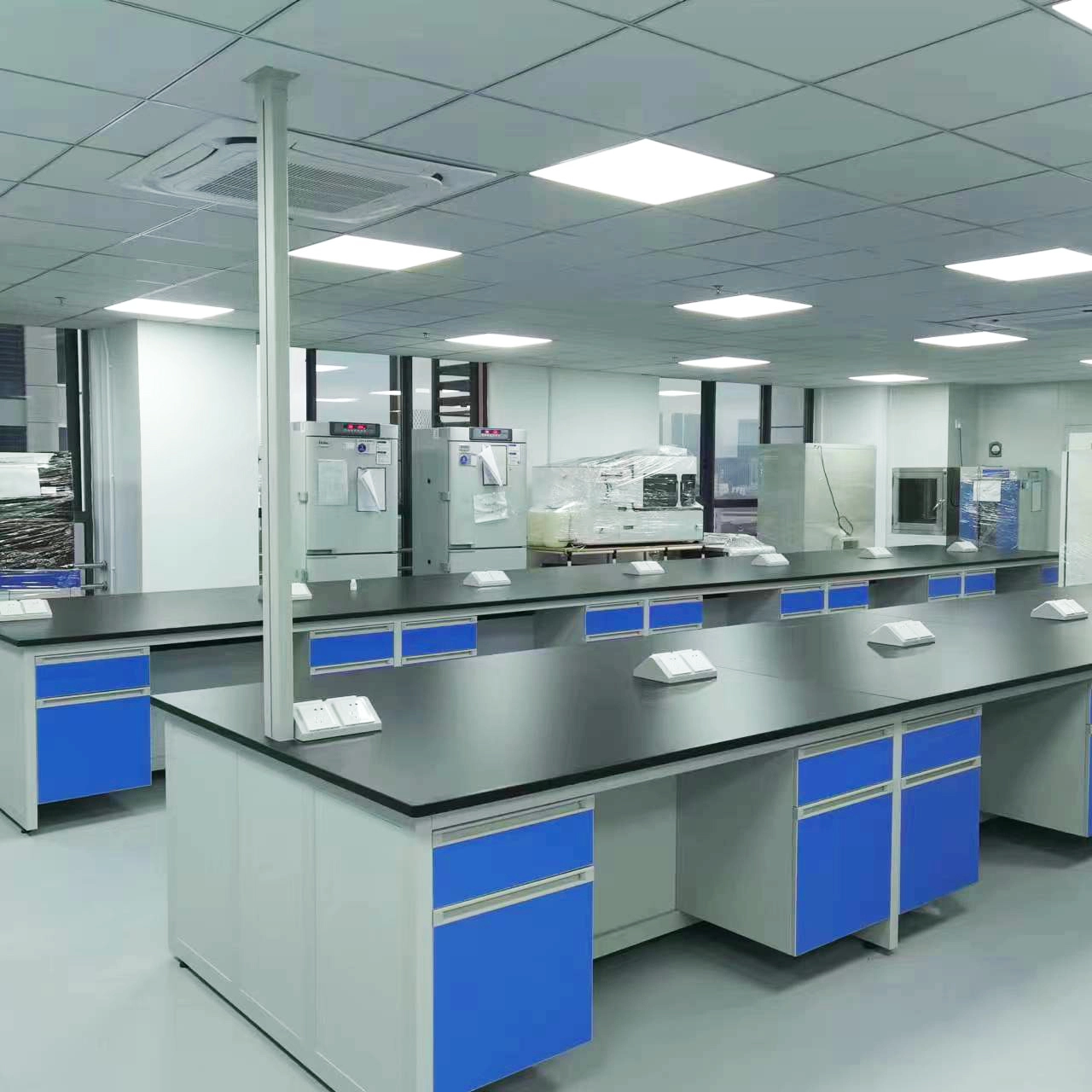
Custom Food Laboratory Solution
Product feature
Analytical and Testing Equipment
●Chromatographs: Gas chromatography (GC) and high-performance liquid chromatography (HPLC) are used to separate and identify food components.
●Mass Spectrometers: Tandem mass spectrometry (MS/MS) is used to detect trace contaminants (such as plasticizers and antibiotics).
●Spectrometers: Near-infrared spectroscopy (NIR) is used for rapid analysis of moisture and protein content; Raman spectroscopy identifies food adulteration.
●Electron Microscopes: Observe the microstructure of food (such as starch granule morphology and fat crystal distribution).
Processing and Simulation Equipment
●Small-scale Production Lines: Simulate food processing procedures (such as spray drying and extrusion puffing) to optimize process parameters.
●Accelerated Testing Chambers: Simulate high-temperature and high-humidity environments to test food stability.
●Sensory Evaluation Rooms: Equipped with independent compartments and standard light sources, these rooms allow for blind consumer testing and rating.
Biotechnology Platform
●PCR Instruments: Detect pathogenic microorganisms in food (such as Salmonella and Escherichia coli).
●Fermentation Tanks: Study the fermentation conditions of probiotics and enzyme preparations.
●Cell Culture Incubators: Evaluate the impact of food components on cell activity (such as antioxidant capacity testing).