



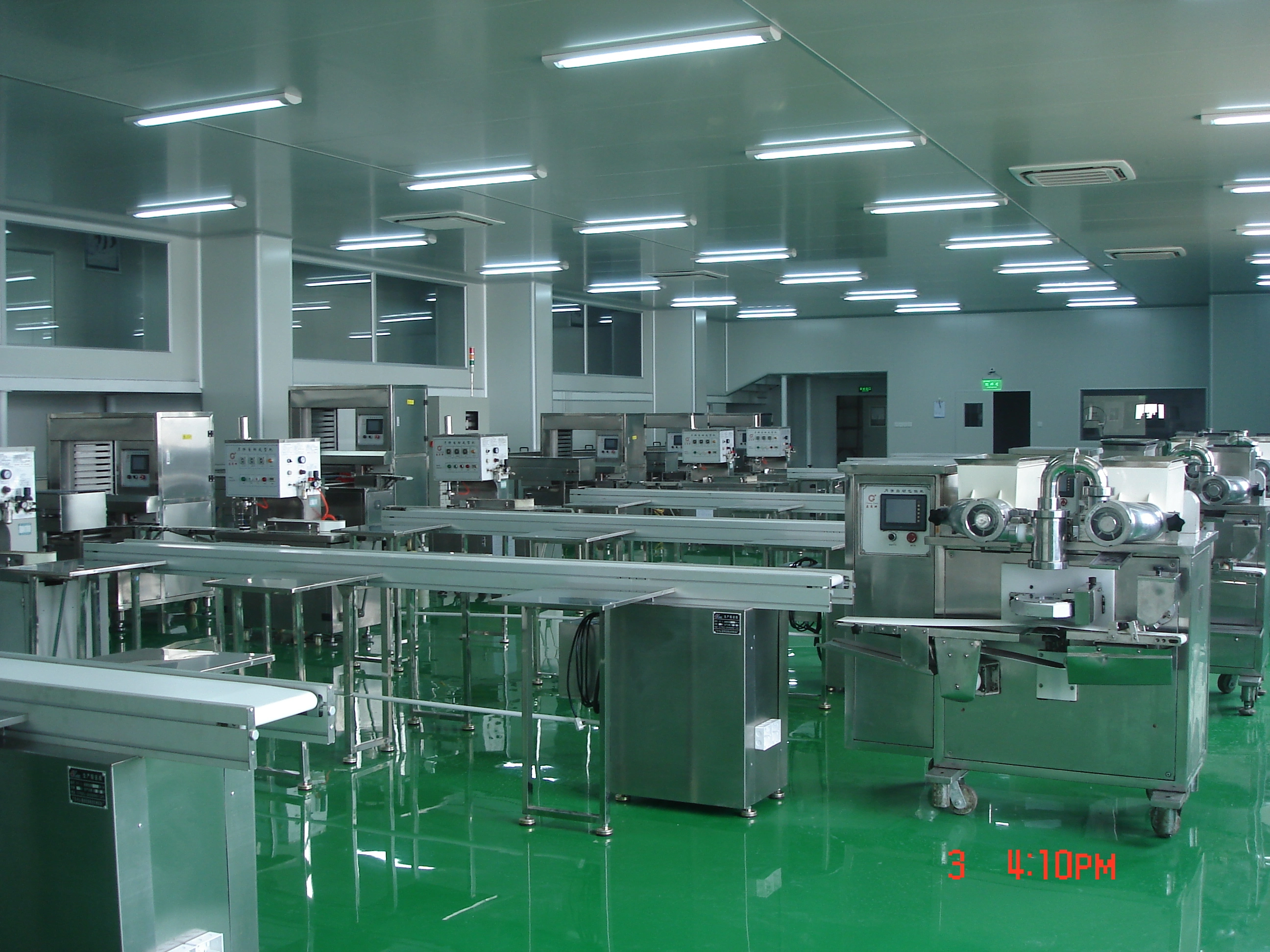
ISO Class 8 modular cleanroom for general electronics workshops and packaging workshops
Core Cleanliness Parameters
1. Particle Concentration Limits: ≤3,520,000 particles ≥0.5μm and ≤29,300 particles ≥5μm per cubic meter of air.
This standard effectively filters large particulate contaminants such as dust and hair from the production environment, preventing them from adhering to the surface of electronic components or mixing into packaged products.
2. Airflow and Ventilation Design: Employs a non-unidirectional (turbulent) airflow organization, combined with a simple layout of top-mounted medium- and high-efficiency filters for air supply and side-down return air, balancing cleanliness requirements with energy consumption control.
Air exchange rate is 10-30 times/hour, which can be flexibly adjusted according to workshop area and production conditions, adapting to the low-energy operation requirements of ordinary electronic workshops and packaging workshops.
3. Environmental Control Indicators
● Temperature: 20-28℃, accuracy ±3℃, meeting the comfort requirements of personnel and product stability during electronic component assembly and packaging.
● Humidity: 30-65%RH, preventing static electricity generation and avoiding electrostatic breakdown of electronic components.
● Pressure Difference: Pressure difference between clean and non-clean areas ≥5Pa, preventing external contaminants from penetrating.
Modular Structure Core Advantages
1. Low-Cost and Rapid Deployment: Core components (wall panels, ceiling panels, floor) are prefabricated in the factory, and simple splicing and installation are used on-site. The construction cycle is shortened by more than 60% compared to traditional civil engineering cleanrooms, significantly reducing the initial construction costs and time costs for enterprises, making it suitable for the rapid production needs of ordinary electronics factories and packaging plants.
2. Flexible Adaptability to Workshop Layout: Module sizes can be customized according to existing factory space, allowing for free combination and zoning (such as electronic component assembly areas and finished product packaging areas). When adjusting production capacity later, the number of modules can be directly increased or decreased, or the layout adjusted, without large-scale dismantling and modification, resulting in a high reuse rate.
3. Easy Cleaning and Maintenance, Adaptable to Mass Production Needs:
● Wall Panels: Utilizing economical color steel sandwich panels, the smooth surface is easy to wipe and can withstand daily cleaning and disinfection, meeting the high-frequency maintenance needs of a mass production environment.
● Floor: Using ordinary epoxy flooring or PVC roll material, wear-resistant and non-slip, suitable for frequent forklift and transport vehicle traffic.
● Sealing Treatment: Basic sealant is used at joints to eliminate dust accumulation dead corners and reduce the difficulty of later maintenance.
Typical Application Scenarios
●General Electronics Workshops: Suitable for processes such as soldering consumer electronics components, assembling small home appliance circuit boards, and processing electronic accessories. It prevents poor component contact caused by dust, improving product yield.
●Packaging Workshops: Can be used in food packaging, electronic product packaging, and daily necessities packaging. It prevents dust from entering the packaging and reduces electrostatic adsorption problems during the packaging process, ensuring both packaging aesthetics and product cleanliness.
Product Specification
| Speed (m/s) |
0.45m/s ±20% |
| Temperature(optional) | 18-28°C |
| Humidity(opiional) | 45-65% |
| Illumination | 300-1000LUX |
| Ceiling Material | Sandwich color steel plate |
| HEPA Filter | 99.99%@0.3um |
| Voltage | 220V Electrical Equipment, 380 V |
| frame | Steel cube with baked enamel |
| Certification | Rohs EMC |
| After Warranty Service | Video technical support/Online support |
Commonly used equipment in cleanrooms